
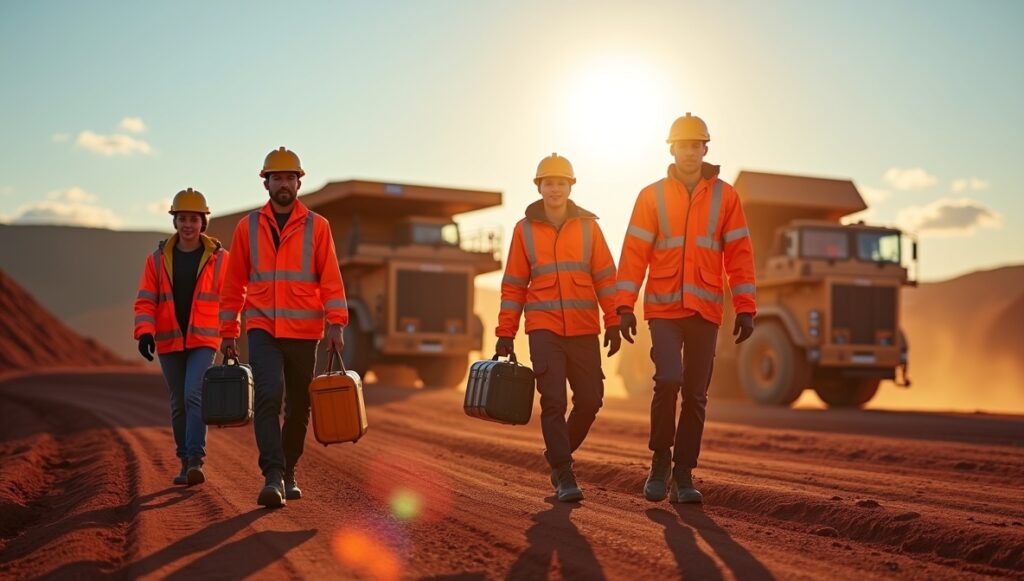
Introduction to FIFO Jobs in Australia
FIFO jobs Australia have become a defining part of the country’s mining, oil, gas, and infrastructure workforce. The term FIFO short for fly-in fly-out jobs describes a system where workers are flown to remote sites for scheduled rosters, then flown back to their home base for rest days. This structure has grown in popularity because it allows access to high-paying opportunities in regions like Western Australia, Queensland, and the Pilbara, without requiring a permanent relocation.
To give you a quick overview, here are the core elements of FIFO work:
| Key Elements of FIFO Jobs in Australia |
|---|
| • FIFO jobs are common in mining, oil, gas, rail, and renewable energy. |
| • Workers fly in for rostered shifts (e.g., 2 weeks on, 1 week off). |
| • Employers provide camp accommodation and meals. |
| • Pay rates are typically higher than national averages. |
| • Roles range from entry-level FIFO jobs like utility workers to advanced positions in engineering and site management. |
| • Major hubs include Perth, Pilbara, Queensland mining towns. |
By 2025, FIFO has become a mainstay career path for thousands of Australians, and demand is projected to remain strong due to ongoing mineral, gas, and infrastructure projects.
Understanding What FIFO Jobs in Australia Involve
FIFO work Australia is designed around industries that operate in remote or regional areas, often far from major population centers. Mining in the Pilbara region of WA, oil and gas projects across Queensland and offshore platforms, and large-scale renewable energy sites are all examples where FIFO is the standard employment model.
- Roster schedules usually follow the pattern “2 weeks on, 1 week off,” but some roles require three or four weeks at site before a break.
- During site stays, employees live in camp accommodation, with meals, laundry, and recreation provided by the employer.
- Workdays are typically 12-hour shifts, alternating between day and night rotations.
For someone considering FIFO, it’s important to know that the FIFO lifestyle is both rewarding and demanding. Workers enjoy strong salary packages, allowances, and the chance to build careers in mining and construction. At the same time, the remote locations, long hours, and separation from family require physical and mental resilience.
FIFO Jobs in Australia Are Common in Mining and Construction

Mining remains the largest employer of FIFO workers, particularly in Western Australia, where operations from companies like BHP, Rio Tinto, Fortescue Metals, and Mineral Resources dominate the workforce. Construction, oil, gas, and rail projects also follow the FIFO model.
- Mining projects: Iron ore, gold, and lithium extraction drive demand for FIFO mining jobs.
- Oil and gas projects: Offshore platforms and LNG plants rely heavily on FIFO crews.
- Infrastructure and rail: Major developments in Queensland and WA include FIFO trades and engineering roles.
- Renewable energy projects: Solar farms and wind installations are increasingly adding FIFO careers 2025 into their workforce mix.
The demand shows no signs of slowing. According to Seek (2024), mining and resources remain among the highest-paying sectors in Australia, with FIFO salaries frequently above AUD $120,000 per year – well above the national average of $94,000.
Getting a Job in FIFO Australia Is Possible with the Right Approach
For those new to the industry, the question often is: how do you actually get started? There is more to the process than simply submitting an application. Landing a FIFO role means preparing your FIFO qualifications and certifications, tailoring a strong resume, and applying through the right channels.
- Qualifications: Depending on the role, you may need a White Card, working at heights training, or specific machinery licenses (dump truck, crane, excavator).
- Experience: While experienced tradespeople are in demand, many companies also hire entry-level FIFO jobs like utility workers, site administrators, and trade assistants.
- Resume & Cover Letter: Recruiters emphasize applicants who highlight relevant safety training, physical readiness, and previous remote experience.
With preparation, even individuals without prior mining exposure can secure a FIFO role, especially through entry-level positions.
FIFO Jobs in Australia Offer Competitive Pay Rates
Salary is one of the most alluring features of FIFO high-paying employment.. According to Indeed and Glassdoor (2025 data):
- Utility workers: AUD $70,000–$85,000 annually (entry-level).
- Trade assistants: AUD $80,000–$100,000.
- Driller offsiders: AUD $90,000–$110,000.
- Qualified trades (electricians, fitters, boilermakers): AUD $110,000–$140,000.
- Engineers & supervisors: AUD $130,000–$160,000+.
In addition, many FIFO companies provide allowances:
- Travel costs covered by employer.
- Camp accommodation and meals fully included.
- Additional bonuses or site loading pay for working in harsh environments.
For perspective, some FIFO roles in mining pay $40 an hour or more, especially in trades and technical positions. This rate is significantly above the average Australian hourly wage of $36.60 (ABS, 2024).
What Is Life Like in FIFO Camps?
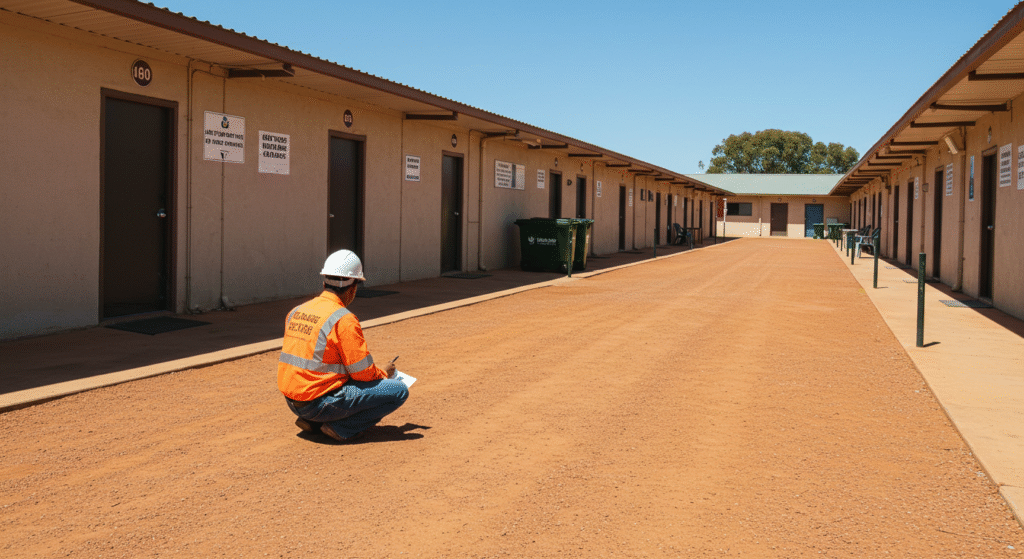
The FIFO lifestyle is structured around site life. Camps are designed to support long-term worker stays and typically include:
- Accommodation: Single rooms with air-conditioning and basic furnishings.
- Meals: Buffet-style dining halls serving three meals daily.
- Facilities: Gyms, recreation areas, and sometimes swimming pools.
- Support services: On-site counsellors and FIFO mental health support programs are increasingly offered.
Workers describe the experience as highly structured – long shifts, followed by evenings in camp facilities. While isolation can be a challenge, many employees value the predictability, pay, and time-off balance.
Why People Choose FIFO Careers in 2025
By 2025, FIFO remains attractive because of its unique benefits:
- Financial security: Salaries above national averages.
- Time at home: Rosters like “2 weeks on, 1 week off” can provide concentrated family time.
- Career growth: Many start with FIFO apprenticeships or entry-level positions and progress into skilled trades or management.
- Exposure: FIFO workers experience landscapes and projects most Australians never see — from desert mining towns to offshore rigs.
For many, FIFO work offers the chance to build a future, buy property, or advance in industries with global demand.
The Challenges of FIFO Work Australia
While the benefits are strong, it’s essential to acknowledge the FIFO work challenges:
- Long hours and fatigue: Shifts average 12 hours, often in harsh environments.
- Isolation: Being away from family and social networks for weeks at a time.
- Pressures on mental health: FIFO employees report greater rates of anxiety and depression than the national average, according to Beyond Blue.
- Relationship impacts: FIFO lifestyle can place strain on families, particularly with children at home.
This is why companies now emphasize mental health support, offering on-site counsellors, resilience training, and fatigue management programs.
FIFO Roles Across Industries Beyond Mining
While mining dominates, FIFO roles mining oil gas construction are not the only options. The model is also expanding into:
- Oil & Gas: LNG projects at offshore locations in WA and Queensland..
- Construction: Large-scale infrastructure builds across remote Australia.
- Rail: Long-distance projects in WA and Queensland.
- Renewable energy: Solar, wind, and hydro projects.
Each sector requires different qualifications and certifications, but all rely on the same rostered FIFO model.
FIFO Careers in 2025 and Beyond
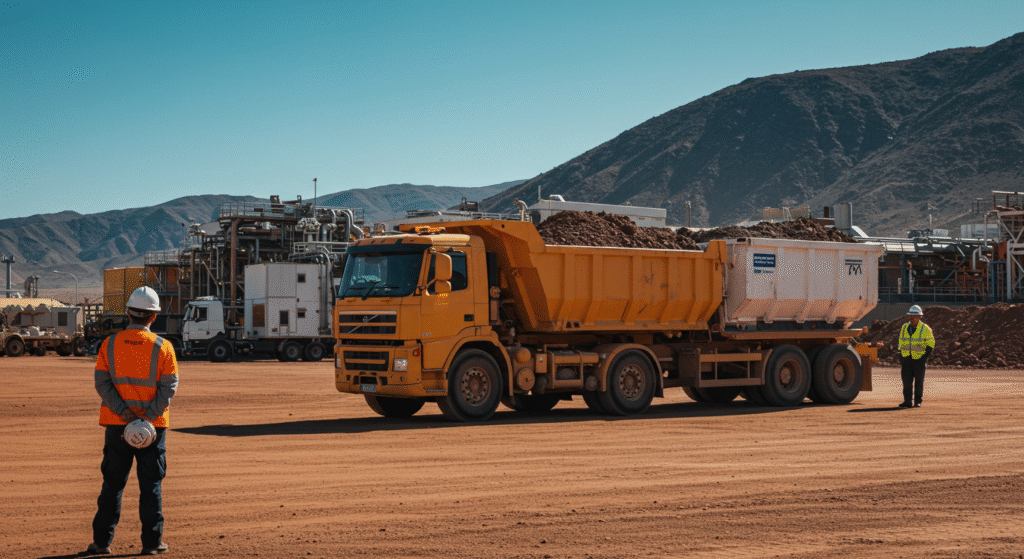
Looking ahead, FIFO careers 2025 are shaped by:
- Automation and technology: Increasing use of autonomous trucks and machinery is shifting roles toward maintenance, monitoring, and tech skills.
- Diversity: More women are entering FIFO careers, especially in mining and trades.
- Sustainability: Renewable projects are opening new paths for FIFO jobs.
- Indigenous employment opportunities: Many companies partner with Indigenous communities to provide training and roles.
Industry reports suggest that by 2030, FIFO jobs will remain central to resource projects, but the skills mix will evolve – requiring a blend of trade qualifications, tech knowledge, and safety certifications.
Call to Action: Is FIFO Right for You?
Starting a FIFO career is a serious commitment. It offers financial rewards, career progression pathways, and unique experiences, but also demands resilience and adaptability.
If you’re considering the move, start by:
- Reviewing your qualifications and certifications.
- Looking through FIFO job boards such as Jora, Indeed, LinkedIn, and Seek.
- Speaking with FIFO recruitment agencies that connect candidates to employers like BHP, Rio Tinto, and Woodside.
Skills and Qualifications Needed for FIFO Jobs Australia
Securing FIFO jobs Australia requires a combination of trade skills, certifications, and resilience. Employers often expect candidates to bring both technical expertise and the ability to adapt to remote working conditions. Most FIFO opportunities start with trade licenses or nationally recognized certificates such as Certificate III in Mining, Certificate IV in Engineering, or safety training certifications.
Some of the most in-demand qualifications include:
- Heavy Rigid (HR) or Multi Combination (MC) truck licenses for haul truck drivers.
- Working at Heights and Confined Spaces certification, mandatory for maintenance and shutdown crews.
- White Card for construction workers on FIFO projects.
- Electrical or Mechanical Trade Certificates for plant maintenance and machinery roles.
- Large firms like Rio Tinto and BHP frequently prefer first aid and CPR training.
Soft skills also matter. FIFO workers need strong teamwork, time management, and stress tolerance, as shifts are long and schedules are demanding. Employers emphasize mental preparedness as much as technical ability.
FIFO Jobs in Australia Are Common in Mining and Construction
In Australia, mining continues to be the largest source of FIFO jobs, particularly in Western Australia, Queensland, and the Northern Territory. The terrain is dominated by massive iron ore and gold operations operated by Rio Tinto, Fortescue, and BHP. Construction companies also employ large numbers of FIFO workers during infrastructure, pipeline, and renewable energy projects.
The two dominant industries driving FIFO include:
- Mining – roles such as drillers, geologists, haul truck drivers, process technicians.
- Construction – trades like boilermakers, electricians, scaffolders, welders, and carpenters.
The renewable energy sector is also emerging as a new growth area for FIFO employment. Solar farms, hydrogen projects, and wind energy construction sites are increasingly hiring FIFO staff to support their expansion into regional areas.
FIFO Roster Schedules and Work-Life Balance
Most FIFO jobs Australia operate on roster schedules, which balance work days with rest days. The most common rosters include:
- 2 weeks on, 1 week off (2:1)
- 8 days on, 6 days off (8:6)
- 7 days on, 7 days off (7:7)
Longer rosters such as 4 weeks on, 2 weeks off are still used in certain regions, especially offshore oil and gas. Workers typically fly from major cities like Perth, Brisbane, Melbourne, or Adelaide to remote mine sites in Western Australia’s Pilbara or Queensland’s Bowen Basin.
While rosters provide extended time off, they also require extended time away from family. Employers often provide on-site amenities such as gyms, catered meals, and Wi-Fi to reduce stress and improve lifestyle.
Challenges of FIFO Jobs Australia
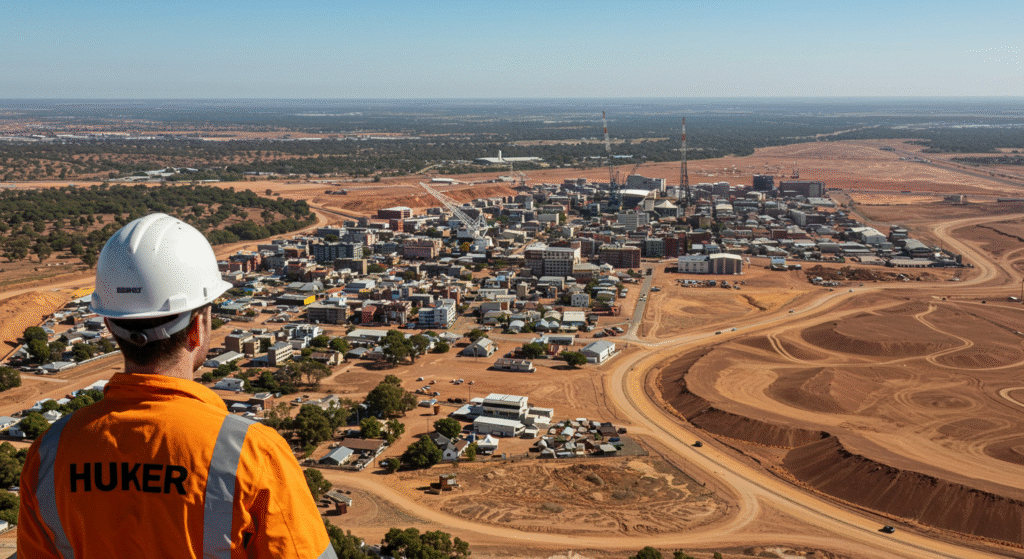
Although financially rewarding, FIFO jobs come with unique challenges that every worker should understand. Some of the most common difficulties include:
- Isolation – remote mine sites are far from family and urban centers.
- Long Shifts – 12-hour shifts are standard, often for consecutive days.
- Mental Health Pressure – high rates of stress, fatigue, and relationship strain have been reported in FIFO work.
- High Turnover – many new workers leave within the first year due to lifestyle adjustment issues.
A 2024 report by the WA Mental Health Commission revealed that FIFO workers are at higher risk of depression and anxiety compared to the general workforce. Employers now invest in wellness programs, counseling, and mental health awareness training to support staff.
Getting a Job in FIFO Australia Is Possible With the Right Approach
For newcomers, breaking into FIFO jobs Australia may feel competitive, but entry-level roles are available for those who prepare. Job seekers should:
- Complete necessary trade or safety certifications.
- Build a resume highlighting physical stamina, adaptability, and teamwork.
- Apply directly through company portals (BHP, Fortescue, Rio Tinto, Mineral Resources).
- Consider entry-level roles such as kitchen hands, cleaners, or trade assistants to get a start.
Recruiters such as Programmed, Hays, and Chandler Macleod also connect candidates with short-term and permanent FIFO placements.
The future of FIFO jobs Australia is shaped by growth and transformation
FIFO jobs Australia are expected to remain a cornerstone of the mining and resources industry for decades to come. With Australia being a global leader in iron ore, coal, gold, and lithium, demand for skilled FIFO workers will continue to rise. Government data from the Australian Bureau of Statistics and IBISWorld forecasts steady employment growth in mining and energy through 2030.
The future won’t just be about volume but also shifts in workforce needs. Automation, AI-powered machinery, and green-energy investments are driving new demand for FIFO workers in specialized fields like:
- Renewable energy FIFO roles (wind, solar, hydrogen projects).
- Technology-focused FIFO jobs (automation operators, data technicians).
- Environmental and safety FIFO roles (compliance officers, ESG specialists).
FIFO jobs in Australia are adapting, ensuring that workers with the right qualifications and adaptability can enjoy stable, high-paying careers.
FIFO lifestyle challenges are real but manageable
FIFO jobs Australia bring opportunities, but they also come with lifestyle pressures. The most common challenges include:
- Mental health strain from isolation and long rosters.
- Relationship difficulties due to time away from family.
- Physical exhaustion from demanding shifts.
- Workplace culture issues such as high stress or substance use risks.
Industry leaders like BHP and Rio Tinto have started investing heavily in employee wellness programs, including on-site gyms, better accommodation villages, counseling services, and flexible rosters. Workers who proactively manage health, fitness, and communication with family tend to sustain longer, more rewarding FIFO careers.
Women are making progress in FIFO jobs Australia
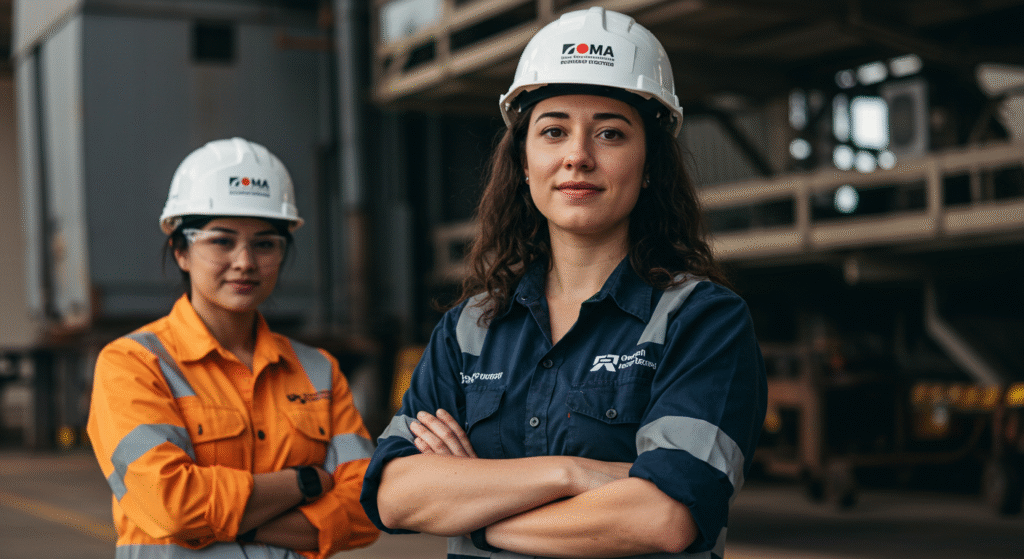
Historically, FIFO jobs Australia were male-dominated. But according to 2024 workforce reports, women now represent over 20% of FIFO roles, particularly in trades, engineering, and safety management. Companies like Fortescue Metals and Woodside Energy are creating recruitment drives to attract more women, offering mentorship programs and family-friendly rosters.
The future of FIFO in Australia is more inclusive, with greater emphasis on diversity, equal pay, and career growth for all genders.
Training and qualifications will define FIFO job success
Training and upskilling are essential as FIFO occupations in Australia change. Employers are prioritizing workers who complete certifications in areas like:
- Cert III & IV in Mining, Drilling, or Heavy Machinery Operation
- First Aid, Safety, and High-Risk Work Licenses
- Certificate IV in Leadership & Management for future supervisors
- Technical certifications in electrical, instrumentation, or automation
With strong qualifications, FIFO workers are not only employable but also positioned for promotions into supervisory and managerial roles.
Getting a Job in FIFO Australia Is Possible with the Right Approach
Finding FIFO jobs Australia may seem challenging at first, but with the right preparation and strategy, it becomes highly achievable. Many people assume FIFO work is only for those with years of mining experience, but the reality is that entry-level FIFO jobs Australia are open to candidates who demonstrate commitment, reliability, and basic qualifications. Job seekers who invest in industry training such as safety certifications (like Standard 11 or White Card), trade licenses, or machinery operation tickets stand out in the application process.
Another crucial step for securing FIFO jobs in Australia is networking. Attending job expos, joining mining forums, and connecting with recruiters through LinkedIn can open doors to opportunities that are not always advertised publicly. Major companies such as BHP, Rio Tinto, Woodside, and Fortescue regularly hire through SEEK, Indeed, and their own career portals, so monitoring these channels and applying strategically increases the chances of success. With persistence, most motivated candidates can secure FIFO jobs Australia within a few months.
FIFO Jobs Australia Offer Competitive Pay Rates
One of the main attractions of FIFO jobs in Australia is the excellent salary structure. Workers in FIFO jobs Australia often earn well above the national average wage, making it one of the most lucrative career paths available without requiring a university degree. For example, entry-level FIFO roles such as trade assistants or cleaners can start around $90,000 per year, while skilled tradespeople such as electricians, mechanics, and riggers can earn between $120,000 and $150,000 annually.
For supervisory roles, project managers, and experienced engineers, FIFO jobs in Australia can pay anywhere from $180,000 to $220,000 per year, especially in high-demand mining projects. In addition to base pay, FIFO employees often receive site allowances, overtime rates, travel reimbursements, and performance bonuses, which further boost total income. Many FIFO workers report that within a few years, they are able to save for a house deposit, clear debts, or build long-term financial stability due to the attractive compensation packages offered in FIFO jobs Australia.
FIFO Jobs in Australia Are Common in Mining and Construction
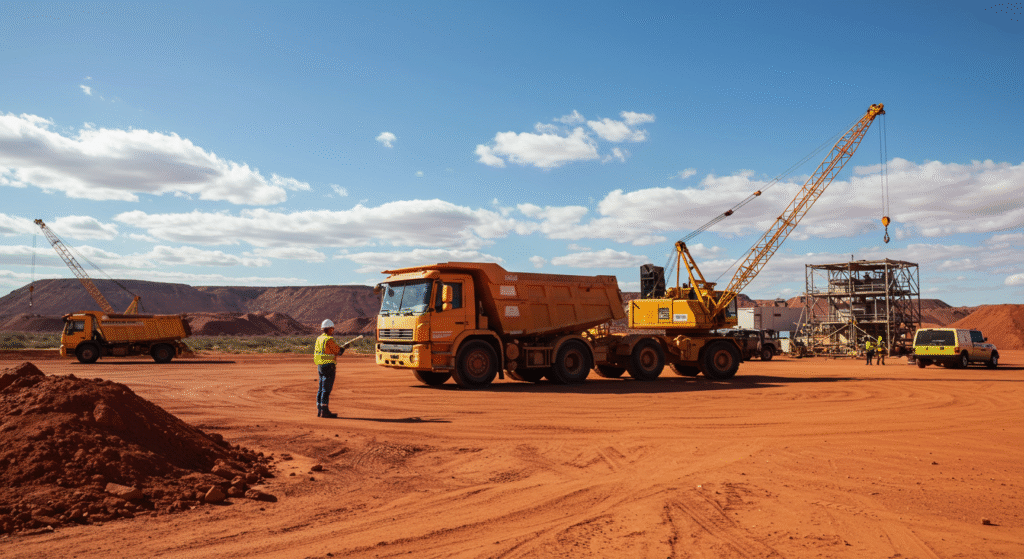
The backbone of FIFO jobs Australia lies in the mining and construction industries, particularly in resource-rich regions such as Western Australia’s Pilbara and Queensland’s Bowen Basin. Mining operations require a massive workforce, including truck drivers, plant operators, geologists, engineers, and safety officers. Similarly, large-scale construction projects, from roads and railways to oil and gas pipelines, employ thousands of FIFO workers every year.
Beyond mining and construction, FIFO jobs Australia are also growing in the oil and gas sector, renewable energy projects, and large-scale infrastructure developments. This expansion creates opportunities for professionals across different trades and specializations, meaning that FIFO work is not just limited to miners but extends to mechanics, scaffolders, crane operators, hospitality staff, and even IT technicians required on remote sites. With Australia continuing to invest heavily in resource extraction and infrastructure, FIFO jobs will remain in strong demand for decades ahead.
Some FIFO Jobs in Australia Pay $40 an Hour, Especially in Mining and Trades
A major reason people pursue FIFO jobs Australia is the attractive hourly pay. In mining and trades-based FIFO work, it is common for wages to range between $40 and $60 per hour, depending on the role and experience level. Electricians, boilermakers, drillers, and heavy equipment operators often fall into this pay bracket. Over a standard 12-hour shift, workers can earn significantly more than traditional roles in urban industries.
Overtime opportunities are also common in FIFO jobs in Australia. With many rosters running on 2 weeks on/1 week off or 3 weeks on/1 week off schedules, the extended work periods allow employees to build substantial paychecks quickly. For example, an experienced tradesperson working in FIFO jobs Australia can take home more in a single roster cycle than some city-based professionals earn in two months. This high earning potential makes FIFO jobs one of the most financially rewarding employment options available in the country.
Final Thoughts
FIFO jobs Australia provide a rare combination of high earnings, career development, and opportunities to work on world-class projects. Yet they also demand resilience, commitment, and the ability to balance personal life with the unique FIFO lifestyle.
For job seekers considering FIFO roles, the path to success lies in:
- Investing in the right training and qualifications
- Adapting to new technologies and industries
- Prioritizing health and family communication
- Networking with industry professionals
By approaching FIFO jobs Australia with the right mindset, workers can not only secure employment but also thrive in a career that shapes Australia’s economic future.
FAQs
What qualifications do I need for FIFO jobs in Australia?
Most FIFO jobs Australia require trade certifications, safety training, and sometimes prior experience in mining or construction. Entry-level roles may accept applicants with only basic tickets and physical fitness.
Do FIFO jobs Australia include accommodation and meals?
Yes, most companies provide free on-site accommodation, meals, and travel allowances as part of their employment package.
How long are FIFO rosters in Australia?
The most common FIFO rosters in Australia are 2 weeks on / 1 week off or 8 days on / 6 days off, depending on the employer and project.
Can I start FIFO work with no experience?
Yes, entry-level FIFO jobs in Australia are available, especially as trade assistants, utility workers, or in hospitality at mining camps. Training helps boost employability.