

Working in night packing jobs in Perth offers flexible employment opportunities in one of Australia’s fastest-moving logistics sectors. Warehouses and distribution centers that operate 24/7 depend on efficient night shifts to meet tight delivery deadlines. Whether you’re a student, shift worker, or job seeker exploring late-night employment, understanding how to excel in this field is key to performance and long-term job stability.
Below is a table summarizing crucial practices and challenges for night shift workers in packing and logistics:
| Key Areas | Do’s | Don’ts |
| Packing Methods | Use protective material correctly; follow packaging protocol | Avoid overstuffing boxes or skipping fragile labeling |
| Order Fulfillment | Cross-check item list, ensure barcode accuracy | Do not skip verification steps or rely solely on memory |
| Warehouse Efficiency | Use pick-to-light or barcode systems; organize zones effectively | Avoid clutter and irregular stock placement |
| Inventory Picking | Keep stock levels updated in WMS; double-check SKUs | Don’t pick without confirmation; never bypass scanning systems |
| Workplace Safety | Lift with proper technique; wear required PPE | Ignore safety protocols or work in unlit/unmonitored zones |
Understanding Night Packing Jobs in Perth
Perth’s growing logistics demand is driven by e-commerce and just-in-time deliveries. As a result, many businesses rely on night shift workers to handle order fulfillment, warehouse packing, and inventory picking. These roles are integral to maintaining warehouse operations and reducing daytime congestion in distribution hubs.
Primary Functions of Warehouse Night Packers
Night packing jobs in Perth focus primarily on picking and packing tasks that ensure orders are processed accurately and promptly. Job responsibilities typically include:
- Locating and picking inventory based on SKU codes
- Using barcode scanning systems or pick-to-light setups for verification
- Packing items securely using suitable materials
- Labeling packages for tracking and shipping
- Reporting discrepancies and restocking where necessary
This role is closely tied with warehouse logistics, and success depends on accurate handling, time management, and a strong understanding of the picking and packing process.
Packing Methods That Work Best for Night Shifts
To maintain productivity during low-light hours, warehouses use several standardized packing methods:
- Standard packing stations with optimized layouts and ergonomics
- Assigning product types to designated stations (fragile, bulk, express)
- Limiting unnecessary material usage to ensure packing material efficiency
- Applying consistent packaging techniques for uniformity
Some facilities also implement automated packing solutions, which speed up operations while minimizing manual handling risks.
Common Mistakes in Warehouse Night Packing Jobs
Night shift environments can present unique challenges, such as fatigue and reduced supervision. Here are common errors and how to avoid them:
- Picking errors: Skipping barcode scans or selecting similar-looking SKUs leads to order mix-ups
- Improper packing: Using oversized boxes or neglecting fragile items results in damaged goods
- Communication gaps: Lack of coordination with other shifts can affect order accuracy
- Neglected KPIs: Failure to track warehouse performance metrics affects improvements
- Ignoring safety rules: Accidents during night hours are more likely without proper lighting and training
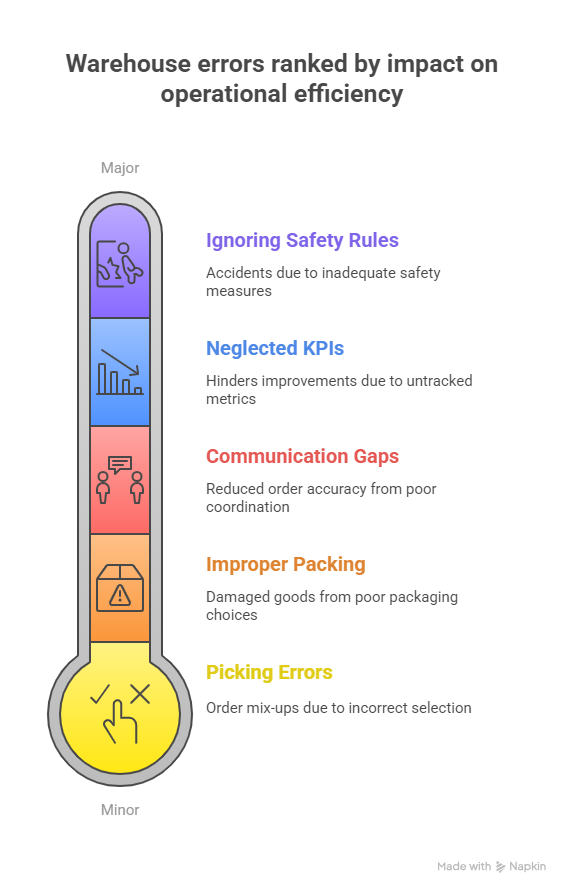
Solutions include better warehouse employee training, standardized routines, and integrating a warehouse management system (WMS).
Top Tips for Night Packing Job Success
Whether you’re new or experienced, following these practices can significantly improve job performance:
1. Use Batch Picking for Speed
Batch picking helps collect multiple orders with overlapping items in one go. This method is preferred during night shifts due to limited staffing and high efficiency.
2. Implement Zone Picking for Accuracy
Assign workers to warehouse zones for reduced movement and better order accuracy. This method enhances familiarity and speed.
3. Reduce Walking Time with Smart Layouts
Optimizing warehouse layout with frequently picked items placed closer to packing stations leads to faster workflows.
4. Keep Workstations Ergonomic
Adjust packing tables to minimize strain, use anti-fatigue mats, and ensure tools and materials are within arm’s reach.
5. Train for Fragile Item Handling
Use bubble wrap, foam inserts, and double-boxing where needed. Label clearly and ensure packaging is appropriately sized.
Technology That Enhances Night Packing Jobs
Modern warehouses are powered by intelligent tools designed for peak efficiency during all shifts:
- Warehouse 15 by Cleverence for inventory tracking and barcode validation
- RFID technology and pick-to-light systems for faster picking
- Automated storage and retrieval systems (ASRS) for reduced walking time
- Inventory software integration with real-time updates improves visibility and reduces stockouts
These tools align with logistics optimization strategies and help in supply chain efficiency even in after-hours operations.
What Role Does Training Play in Night Packing?
Well-trained employees are crucial for minimizing errors and keeping warehouse productivity high during night shifts. Training should focus on:
- Safe lifting and moving techniques
- SOPs for warehouse packing
- Using technology like barcode scanners and WMS
- Emergency procedures and fatigue management
- Cross-training for flexibility during absenteeism or demand surges
Consistent training reduces the chance of picking errors, lowers packing labor cost, and supports warehouse safety compliance.
How Night Shift Workers Can Build a Long-Term Career Through Packing Jobs in Perth
Many workers enter night packing jobs in Perth as a short-term income solution, but the logistics and warehousing sector in Western Australia offers genuine pathways for those who treat these roles as the starting point of a broader career rather than a temporary arrangement.
Perth’s e-commerce and distribution sectors are growing consistently, and experienced night shift packers who develop speed, accuracy, and familiarity with warehouse management systems are regularly considered for team leader, senior picker, and shift supervisor positions that come with higher pay and daytime roster options.
Warehouses that run 24-hour operations need reliable people in supervisory roles across all shifts, which means strong performers on the night team face less internal competition for promotion than their counterparts working standard daytime shifts.
The key to advancing from a general packing role into a more senior warehouse position in Perth is demonstrating consistent performance on measurable metrics order accuracy rates, units packed per hour, and safety compliance records that managers can point to when justifying a promotion internally.
Workers who take the initiative to learn how to operate warehouse management systems beyond their immediate job requirements, cross-train in receiving and dispatch functions, and take on forklift certification during their time at a facility consistently receive preference when supervisory and coordinator vacancies arise.
Perth’s logistics sector is also closely tied to the mining supply chain, which means warehouse workers with demonstrated reliability often find opportunities to transition into mine site logistics roles that carry significantly higher remuneration.
Why Certifications Matter for Night Packers Seeking Better Roles
Forklift licences and elevated work platform tickets are the two certifications that most consistently open additional doors for night shift warehouse workers in Perth, as they expand the range of tasks a worker can legally perform on site and make them more valuable to employers managing lean overnight teams.
A night packer who also holds a forklift licence can be deployed across receiving, storage, and dispatch functions when the team runs short-staffed, which is a practical advantage that site supervisors remember when filling higher-grade positions.
Workers pursuing longer-term careers in Perth’s warehousing and logistics industry can also benefit from understanding how their experience connects to broader employment opportunities across Western Australia for example, the growing IT-driven logistics roles in Perth’s mining and resources sector that require both physical warehouse knowledge and digital tool familiarity.
For a broader look at how WA’s job market is structured across multiple sectors beyond warehousing, IT Jobs Perth outlines how Perth’s technology employment landscape is expanding into logistics automation and data-driven supply chain management.
How to Approach Night Shift Work in Perth Without Burning Out
Sustainable performance in night packing jobs in Perth depends as much on how workers manage their health and schedule outside of work hours as it does on what they do during their shift. Maintaining a consistent sleep schedule even on days off keeping hydration and nutrition consistent across late hours, and using breaks strategically to reset focus rather than passively scrolling through a phone are habits that experienced night shift workers in Perth’s warehouse sector consistently report as critical to staying sharp over months-long contracts.
Employers who run night operations in Perth’s major logistics hubs at Canning Vale, Kewdale, and Jandakot are increasingly aware that worker fatigue drives most picking errors and safety incidents, which is why night shift workers who demonstrate strong self-management alongside technical accuracy attract more contract renewal offers and direct employment invitations than those who struggle with consistency after the first few weeks.
For more detail on how to enter and advance within night packing jobs in Perth including best practices, technology tools, and common mistakes to avoid Night Packing Jobs Perth covers the full operational and career landscape for warehouse workers in Western Australia.
Best Practices for Reducing Costs While Improving Accuracy
Warehouse managers in Perth can apply the following tactics to balance cost and performance:
- Introduce cycle counting to maintain inventory accuracy
- Apply eco-friendly packaging practices to reduce material waste
- Set up packing station checklists for every shift
- Monitor performance with a warehouse KPI dashboard
- Schedule regular audits to identify improvement opportunities
These steps directly contribute to reducing errors, improving morale, and elevating job satisfaction among night workers.
Conclusion
Night packing jobs in Perth present a stable, flexible opportunity for workers across all experience levels. By applying best practices in warehouse picking, maintaining proper training, and embracing the right technologies, you can succeed in roles requiring attention to detail and reliability. Whether working in a large fulfillment center or a smaller facility, mastering warehouse packing and optimizing for order fulfillment will set you apart.
From reducing mistakes to improving warehouse efficiency, success in this field depends on precision, adaptability, and ongoing learning. As logistics continue to expand in Western Australia, the demand for skilled night shift workers will only grow-making now an ideal time to enter and thrive in this fast-paced industry.
FAQs
How do I get started with a night packing job in Perth?
Search local warehouse listings or connect with third-party recruiters specializing in logistics placements. Most employers prefer candidates with availability during peak hours and basic familiarity with order processing.
Do I need experience to apply?
Many warehouses hire entry-level workers and provide on-the-job training in inventory picking, order fulfillment, and warehouse logistics.
What shift hours are common for night packing?
Typical shifts run from 8 PM to 4 AM or 10 PM to 6 AM, with weekend and overtime options available during peak seasons.
How do I avoid common mistakes?
Follow SOPs, double-check orders, and stay updated through team briefings. Using technology such as RFID technology or pick-to-light systems helps minimize manual error.